Team Building
Team Building
Strengthen team effectiveness by improving how individuals communicate, collaborate, and align around shared goals.
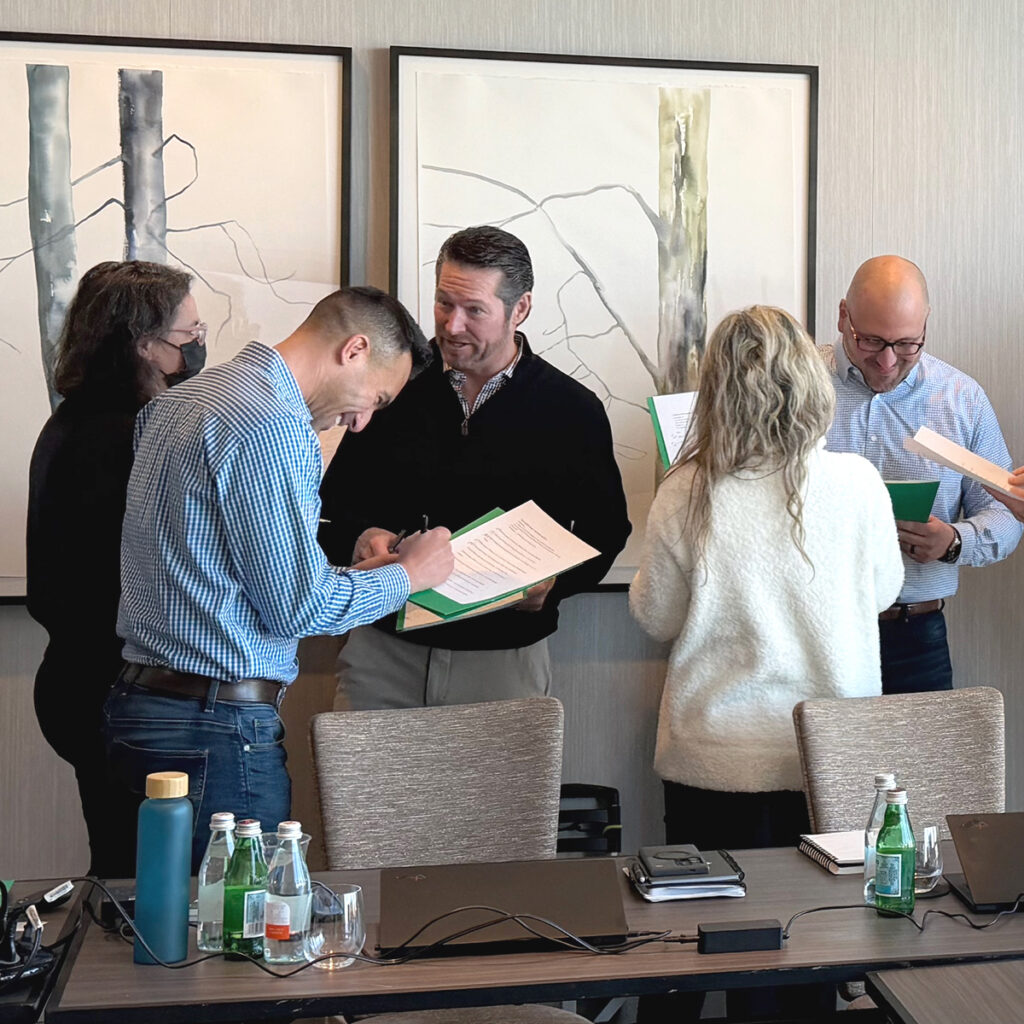
Team building engagements are designed to move beyond surface-level activities and focus on the dynamics that drive performance. The work centers on increasing trust, clarifying roles and expectations, and improving how teams engage in critical conversations.
Whether supporting an intact leadership team or a newly formed group, the focus is on practical application—helping teams operate with greater clarity, accountability, and cohesion. The result is stronger alignment, more effective decision-making, and improved execution.
Additional Services
Why Leading Edge
Team effectiveness improves when there is clarity, trust, and a shared commitment to how the team operates.
Focus on Real Team Dynamics
Sessions are built around the team’s actual challenges and opportunities, ensuring discussions are relevant and directly tied to how the team works together day to day.
Structured, Facilitated Conversations
Leaders and teams are guided through conversations that may otherwise be avoided—creating alignment on priorities, roles, and expectations.
Clear Actions and Commitments
Teams leave with specific agreements on how they will operate moving forward, reinforcing accountability and improving execution over time.
VP and Head of Human Resources
Biopharmaceutical Company
Frequently Asked Questions
What types of teams benefit from this work?
Team building is valuable for leadership teams, cross-functional teams, and newly formed groups. It is particularly effective during periods of change, growth, or when alignment and communication need to be strengthened.
What does a typical engagement look like?
Engagements often include a facilitated session, such as a team meeting or offsite, focused on key topics like alignment, communication, and decision-making. Content is tailored to the team’s specific needs.
How is this different from traditional team building?
The focus is on improving how the team works together in real business situations—not on activities or exercises that do not translate back to the workplace.
What outcomes can teams expect?
Teams typically experience stronger alignment, improved communication, clearer roles and expectations, and more effective decision-making and execution.